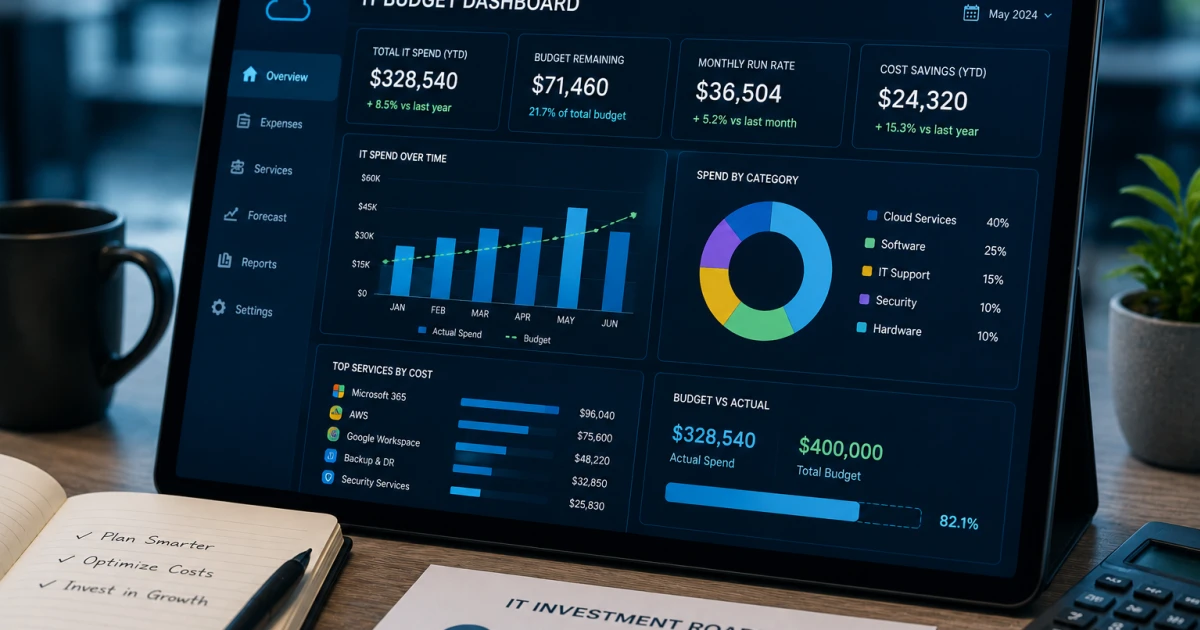
Managed IT Services Cost: Ultimate Guide | Good Company
Learn managed IT services cost and IT support pricing for small businesses. Get expert insights and budget smarter. Learn more 💻🔒
Your small business is growing?, your team is thriving? and most likely, your operations rely heavily on technology. But what happens then, when all of a sudden your network goes down, a team member falls for a phishing email, or your client data is suddenly at risk? In moments like these, every small business owner asks the same question: “Isn’t there an affordable way to keep all this under control?” That’s where managed IT services come in. But for many small business owners, the big question isn’t what these services do—it’s how much they cost.
Well,anaged IT service pricing depends on factors like the size of your team, the complexity of your systems, the type of support you need, and your security requirements.
In this article, we’ll break down the cost factors for managed IT services, explain different pricing models, and help you understand what to expect when budgeting IT support for your small business.
Why Small Businesses Turn to Managed IT Services
Before diving into costs, let’s clarify why small businesses are increasingly investing in IT services.
Technology is now the backbone of every business. Even a 10-person company relies on:
- Cloud platforms like Google Workspace or Microsoft 365.
- Secure networks for remote and hybrid work.
- Software integrations for sales, HR, and operations.
- Data protection and compliance with regulations like GDPR or HIPAA.
While a small business might get by with break/fix IT support—calling someone only when things go wrong—this approach is risky and unpredictable.
Managed IT services solve this by providing:
- Proactive monitoring to prevent issues before they escalate.
- Cybersecurity protection against threats like phishing and ransomware.
- Ongoing support for your team through help desks or remote troubleshooting.
- Scalability as your business grows, without the cost of a full in-house IT team.
In other words: Managed IT services turn technology from a daily stressor into a reliable business asset.
Factors That Affect the Cost of Managed IT Services
Managed IT services pricing can vary significantly. Understanding the factors that drive cost will help you set realistic expectations.
1. Number of Users and Devices
Most managed IT service providers price their plans based on per user or per device.
- Per-user pricing covers everything an employee uses: laptop, phone, email account, and cloud access.
- Per-device pricing charges for each machine, which can be more cost-effective if employees use multiple devices.
Example: A 10-person team with one device each will cost less than a team of 10 where each employee uses a laptop, phone, and tablet that all need support.
2. Level of IT Support Needed
Not every business needs the same depth of service.
- Basic Plans: Include help desk support, software updates, and basic monitoring.
- Mid-Tier Plans: Add cybersecurity measures, backups, and cloud management.
- Advanced Plans: Include full network management, 24/7 monitoring, compliance support, and strategic IT planning.
The more critical IT is to your daily operations, the higher the investment. For example, an e-commerce business handling sensitive customer data will need more robust support than a small marketing agency.
3. Security and Compliance Requirements
If your business deals with financial data, health records, or client-sensitive information, your security needs will be higher.
- Services like firewall management, intrusion detection, and security audits increase the overall cost.
- Compliance with HIPAA, GDPR, or SOC 2 requires continuous monitoring, which is usually part of advanced packages.
4. Cloud Services and Remote Workforce
Remote and hybrid work increases IT complexity. Managing cloud environments like Microsoft Azure, AWS, or Google Cloud requires specialized expertise.
- Cloud storage, backup solutions, and access management all add to the scope of managed services.
- Supporting remote teams often involves VPN setup, endpoint protection, and device onboarding.
5. Onsite vs. Remote Support
Most small businesses can operate with remote support, which is more affordable.
However, if your company needs onsite visits for server maintenance or hardware troubleshooting, expect to pay an additional fee per visit or choose a plan that includes scheduled onsite support.
Why Managed IT Services Are Worth the Investment
Small businesses sometimes hesitate at the monthly cost, but the value outweighs the expense. Consider:
- Downtime Costs Money: Even one day of lost productivity can exceed the monthly fee for managed IT services.
- Cybersecurity Is Non-Negotiable: A single data breach could cost thousands—or even end a small business.
- Predictable IT Costs: Fixed monthly fees prevent surprise expenses from sudden breakdowns.
- Scalability for Growth: As your team expands, your IT services grow with you.
Think of managed IT services as insurance and optimization combined—they protect your business and help it run more efficiently.
Budgeting for IT Services with Confidence
So, how much do managed IT services cost for small businesses?
- Most pay $100–$200 per user/month or $1,000–$3,000/month total, depending on their setup.
- Costs increase with security, compliance, and cloud management needs.
- A reliable provider helps you customize your plan so you only pay for what you need.
Conclusion: Investing in managed IT services is less about spending money and more about having peace of mind. It ensures that your technology supports your growth, instead of slowing you down or putting you at risk.
—------
Explore our latest LinkedIn articles, where we share practical insights on Managed IT Services, cybersecurity, governance, operational excellence, and the strategies helping businesses reduce risk and scale with confidence.
Because better decisions start with better understanding.
Good Company IT
GoCo
You are in Good Company