
Cybersecurity: How to Manage AI Risks for Your Business | GoCo
Cybersecurity threats are evolving with AI. 🔐 Discover AI security risks, protect business data, and learn how to strengthen your defenses with GoCo.
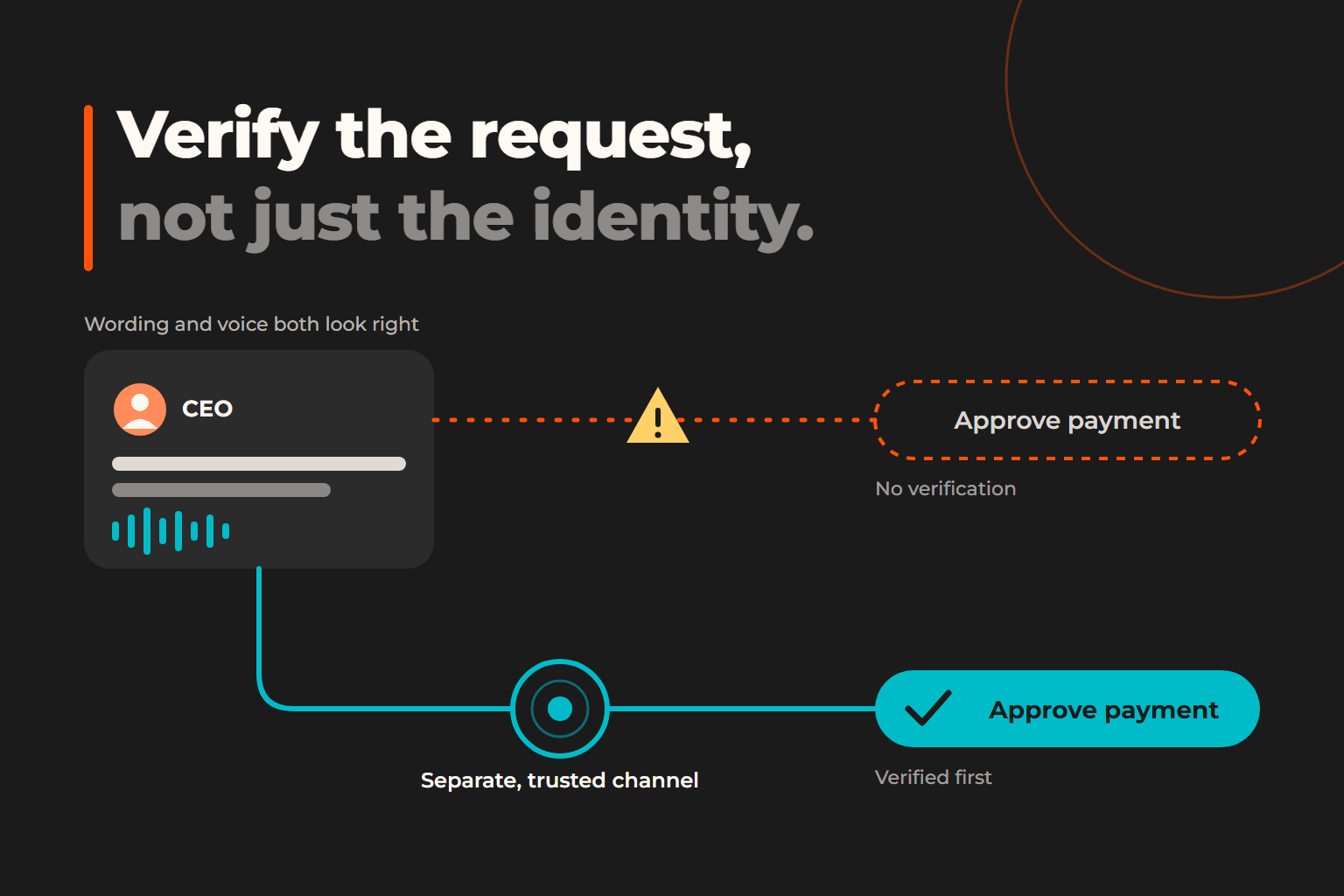
A message from your CEO asks you to approve an urgent payment. The wording sounds right, the voice on a follow-up call is familiar, and the request appears legitimate. But what if artificial intelligence helped create both? Cybersecurity now requires businesses to consider not only traditional attacks, but also how AI can make deception more convincing and easier to scale.
Understanding these risks is the first step toward protecting your employees, information, and business operations.
How Is AI Changing Cybersecurity Threats?
AI can help organizations analyze information and automate tasks, but attackers can also use it to improve existing techniques. The technology does not eliminate familiar security risks; it can make some of them harder to recognize.
Businesses should pay particular attention to three areas: social engineering, exposure of sensitive data, and the growing use of AI tools without appropriate oversight.
1. AI-Powered Phishing and Impersonation
Traditional phishing messages often contain suspicious links, spelling mistakes, or awkward language. AI tools can help attackers create polished, personalized messages that imitate a supplier, executive, or business partner.
Voice cloning and manipulated video can also make impersonation attempts more convincing. A request that appears to come from a trusted person should not bypass normal verification procedures.
What your business can do:
- Verify unusual payment requests through a separate, trusted communication channel.
- Require established approval procedures for changes to banking details.
- Train employees to report suspicious requests, even when the message looks authentic.
- Use multifactor authentication (MFA) and strong email security controls.
The key principle is simple: verify the request, not just the identity it appears to come from.
2. Data Exposure Through AI Tools
Employees may use public AI assistants to summarize documents, draft communications, analyze spreadsheets, or troubleshoot technical problems. If they submit confidential information without understanding the tool's data-handling practices, they may expose information the business needs to protect.
The risk depends on the tool, its settings, the information entered, and the organization's agreements and controls.
What your business can do:
- Establish an acceptable-use policy for AI tools.
- Define which information employees may enter into approved systems.
- Review data retention, access, and privacy settings before adoption.
- Restrict access according to job responsibilities.
- Provide approved alternatives when employees need AI assistance for sensitive work.
A written policy should explain what is permitted and how employees can get help when they are unsure.
3. AI Adoption Without Security Oversight
New AI applications can enter a business through individual employee decisions, department-level purchases, or integrations with existing platforms. Without visibility, IT teams may not know what tools are in use, what data they can access, or which external services receive information.
This creates a governance problem as much as a technical one.
Maintain an inventory of approved AI tools, review their permissions, and assess integrations before connecting them to business systems. Assign an owner to each application and establish a process for reviewing new tools.
4. Can AI Also Help Defend Your Business?
Yes. Security teams can use AI-enabled tools to help identify suspicious activity, analyze alerts, and prioritize potential threats. However, these tools are not a replacement for sound security practices or human oversight.
AI-generated alerts may be incomplete or inaccurate. Businesses still need trained personnel, documented response procedures, reliable logging, and a clear process for incident investigation.
Start with the security fundamentals: patch systems, protect accounts with MFA, maintain tested backups, and ensure employees know how to report suspicious activity.
5. Build an AI-Aware Cybersecurity Plan
You do not need to adopt every new security product to respond to AI-related threats. Start by identifying your most important assets, the information employees handle, and the systems that would cause the greatest disruption if compromised.
Then review your existing controls against realistic scenarios: a fraudulent payment request, a compromised employee account, or confidential information entered into an unapproved AI tool.
Document gaps, assign responsibility, and prioritize improvements based on business risk. Revisit the plan as your use of AI and your technology environment change.
Make Cybersecurity Part of Your AI Strategy
AI creates new opportunities for businesses, but responsible adoption requires clear rules, appropriate access controls, and consistent verification practices.
GoCo helps businesses assess their technology environments, strengthen IT operations, and make informed decisions about security and emerging technologies. Talk to a GoCo specialist to identify practical steps for managing cybersecurity risks as your business adopts AI.
The goal is not to avoid AI. It is to use technology with a clear understanding of what it can do, what it can expose, and how your business will stay in control.
How Strong Is Your Cybersecurity Knowledge?
Knowing the basics is a great start, but how prepared are you to recognize common cybersecurity risks in your daily work? Put your knowledge to the test with GoCo’s interactive cybersecurity quiz and game. Explore common security scenarios, challenge your understanding, and discover where you may need to strengthen your approach. Take the quiz and test your cybersecurity knowledge today!
If you found this article helpful, be sure to visit our latest piece on our Blog for more insights.
Technology decisions shouldn't be based on trends; they should support better business outcomes.
Explore our latest LinkedIn articles, where we share practical insights on Managed IT Services, cybersecurity, governance, operational excellence, and strategies that help businesses reduce risk and scale with confidence.
Because better decisions start with better understanding.
Good Company IT
GoCo
You are in Good Company